
That live action Furi trailer was weird, right? I kind of love it.
Not everything has to look like a Spielberg movie

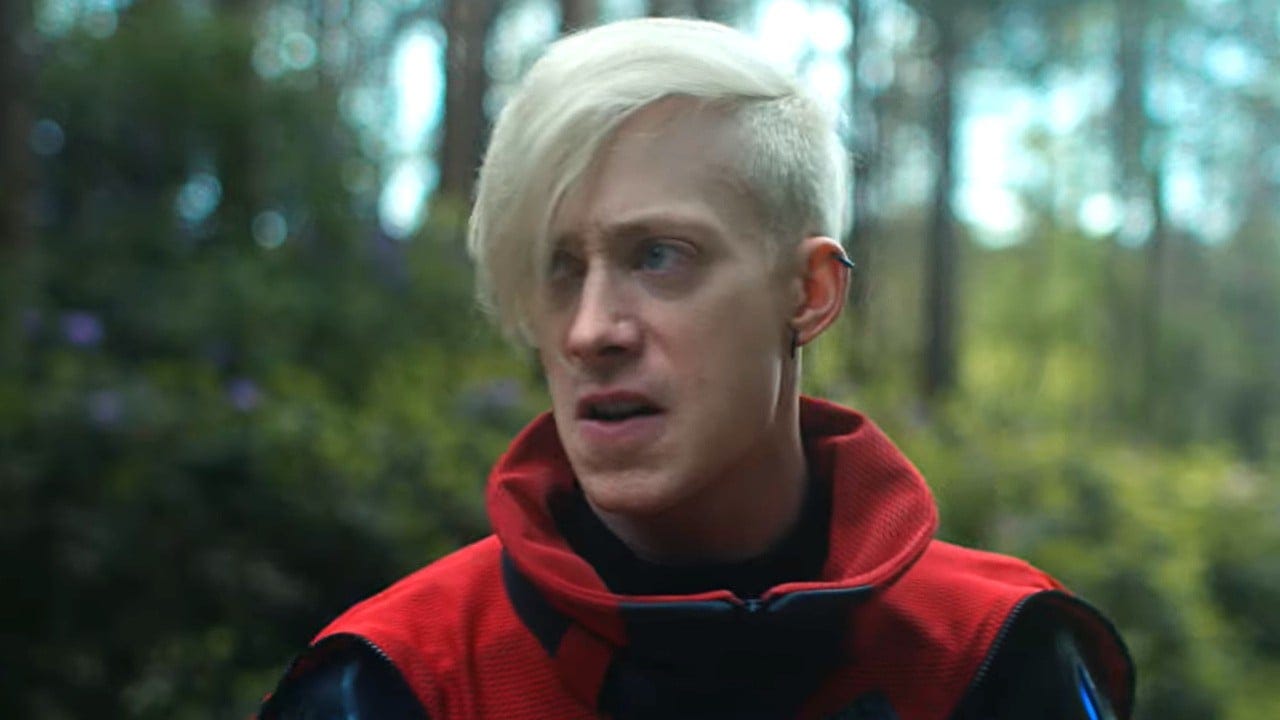
There are two bits of news that have motivated me to write this week’s article. One is the revelation that the upcoming final series of Stranger Things was produced at an eye watering $50 to $60 Million per episode. The second was that a trailer was recently launched, then summarily removed, for a live action TV series based on the game ‘Furi’ that most definitely cost way, way less to make.
The predominant feedback I’ve read about the Furi trailer has been less than kind. A far cry from the slick, stylish boss rush gauntlet that inspired it, it feels like a bit of a joke by comparison. Friends in cosplay making home movies. Built off the back of a shoestring budget with a cast that feel woefully unequipped to represent the characters they are playing.
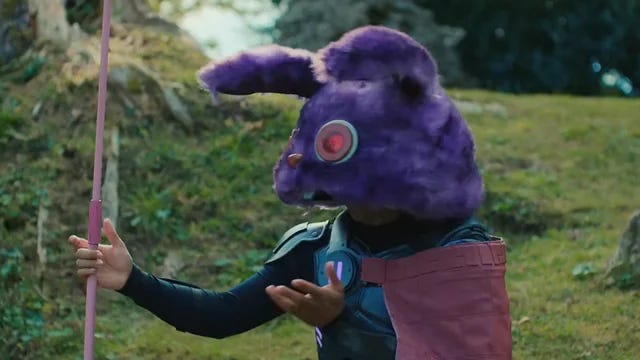
A bit of a PR disaster to whoever was marketing this, the trailer for Furi was removed less than 24 hours after its initial launch, only adding to the grief this venture will likely get once it releases out to the public next month.
My reaction, however? I kind of dug it. My first thought when the blades started clashing was ‘hey this looks a bit like a Sentai show’. It has that scrappy, low VFX, fighting-in-the-same-quarry-each-week look of series like Power Rangers, Kamen Rider and the like.
It obviously does not look like a studio project, not by a long shot. I can’t think of a single TV show from the past twenty years that looks like this. I can think of a number of web series that do, however. Someone really hit the nail on the head by saying this looks like a Mega 64 bit.
Without any further information I’m inclined to believe that this is, in fact, a passion project among friends, albeit one allegedly sanctioned by the game’s developers, and the thing is, I don’t necessarily mean any of that in a negative way.
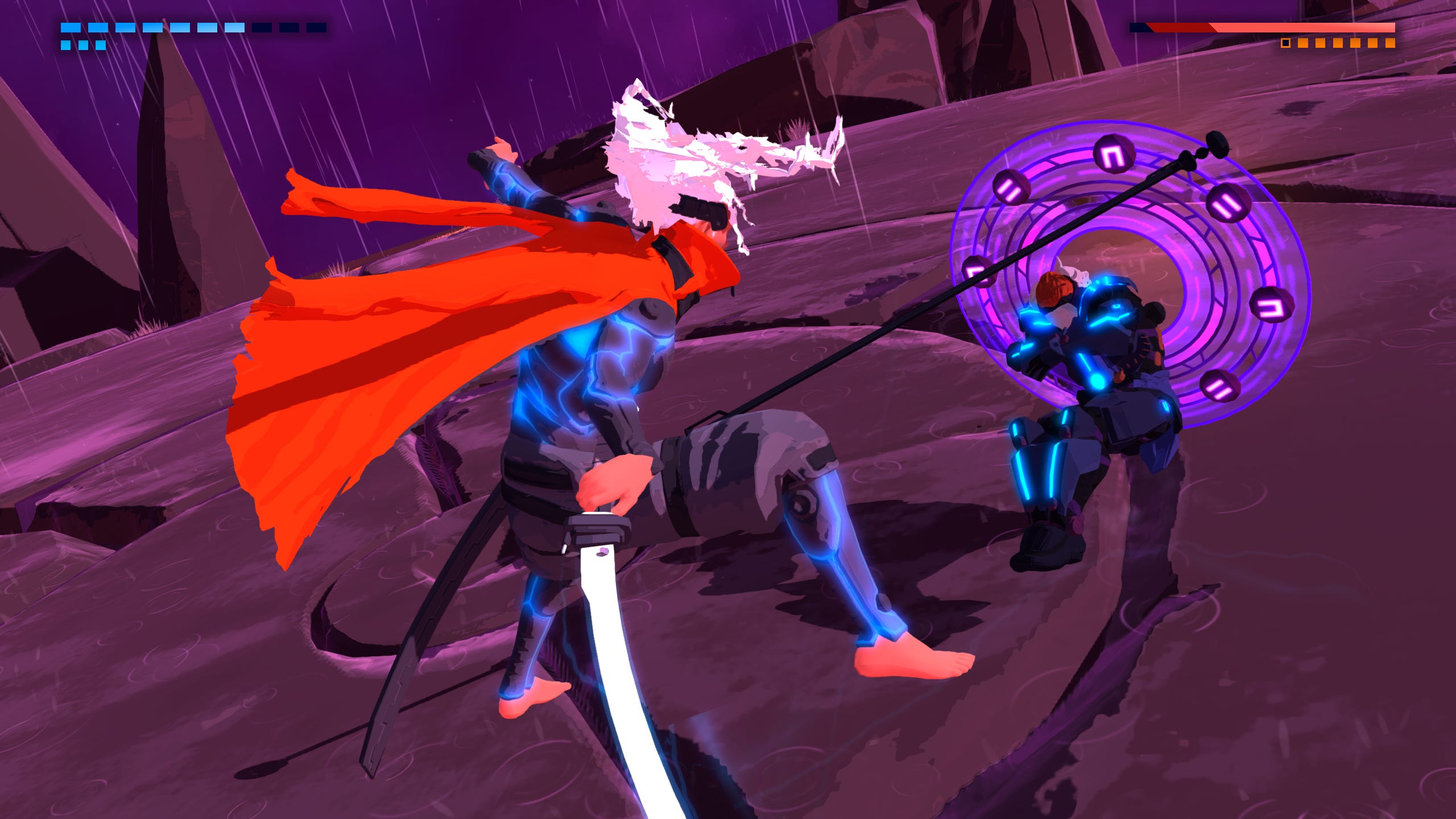
The ideal adaptation for a game like Furi, for many of its fans, would be one of two options: An animated series, given its striking visual direction, or nothing at all, because its a game, and not everything needs trans-media interpretations.
I’m in the latter camp. I think that thing exists as a ludic experience for a reason. I think its nutritional value as a passive story is weak, and I say this as someone who’s gone on record to say that I love everything about the game other than actually playing it.
However, with the odds already stacked against any form of live action interpretation of this work, I can’t help but be charmed by what the resultant output is. This is not to make any kind of judgement about the quality of the work, it may well be a total stinker. But if that’s true, it’ll be a stinker that speaks to the scrappy nature of what storytelling in the digital age can be. Not everyone has a nine-figure production budget. Not everyone needs one.
I mentioned Stranger Things in the opening to this article because that show is, I think, a poster child for this frankly dreadful modern way of approaching showrunning, whereby the lines between TV and cinema are willingly blurred for little to no reason beyond this mistaken belief that everything needs to hold to a certain standard of quality.
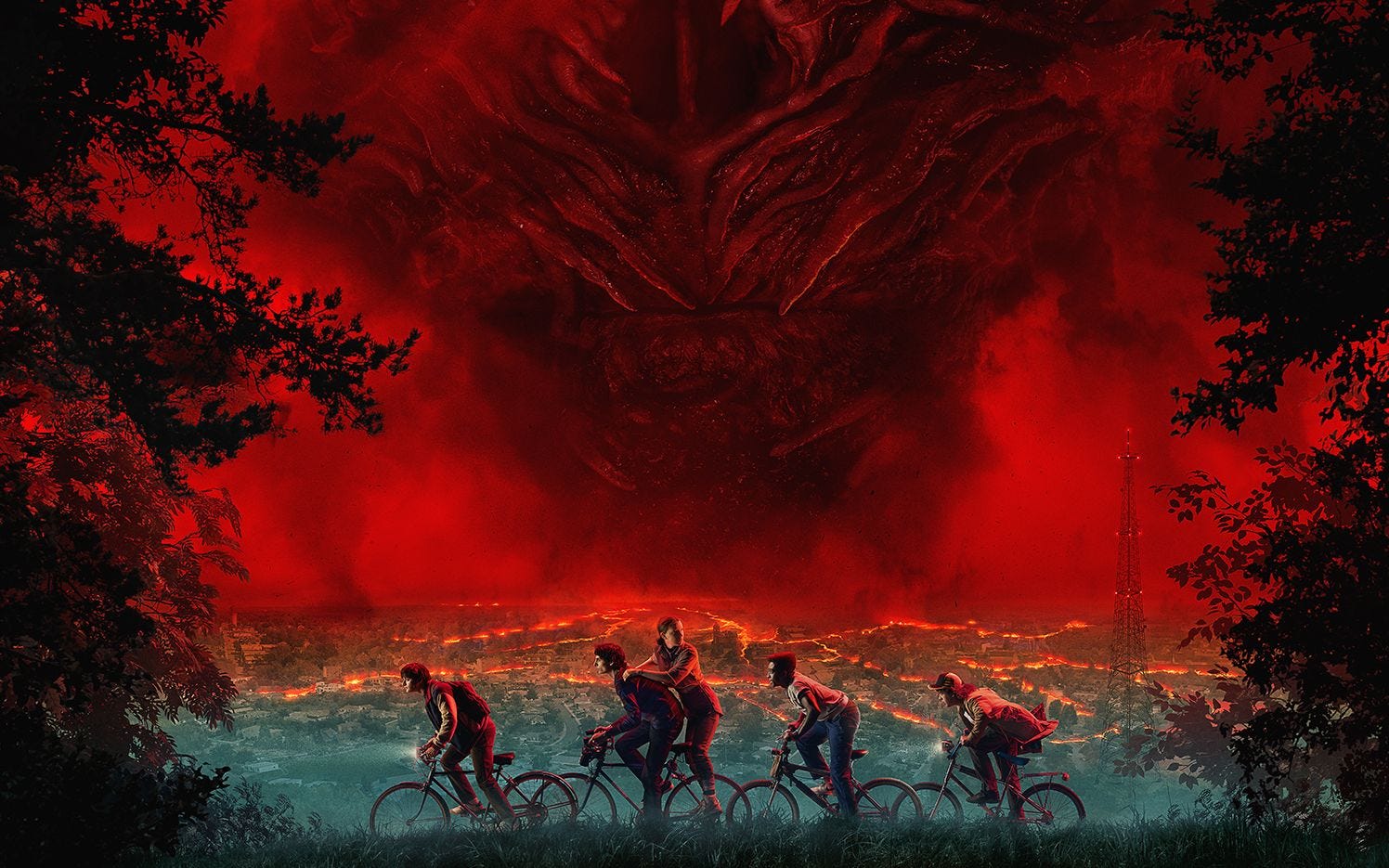
There’s absolutely no need for a single season of a show to cost nearly half a billion dollars to make. It doesn’t benefit from that uplift. Its hard to see how the $60 million costing episode will be ten times better than the $6 million one that that particular show started off with.
Not all production companies subscribe to this way of thinking, of course, but we see this way of thinking especially with the big streaming services. Big screen movie quality means higher costs, longer production cycles (we used to get a season per year, now its closer to every three) and, for some reason less stuff to watch at the end of it all.
As a tasty bonus, it also meant concessions to other harmful practices such as the use of AI scraping tools to cut corners, and quick decisions to eliminate projects before they’ve properly hit their stride. I don’t for a minute believe that these things aren’t connected.
The further we play along with this charade that this is what TV needs to look like, the worse it gets. You lose stuff along the way. For the price of eight episodes of Stranger Things, we could have had five more seasons of The OA. Those 20+ episode runs of things like Star Trek and Supernatural, where even the crappy episodes brought a good chunk of change to the character development scene? All but annihilated.
I think what’s truly laughable about this push for everything to have that prestige glean is that more often than not the thing that truly gets skimped on is the quality of the writing. Surely you’d lead with that, right?
I know a bafflingly off-key, low budget affair like Furi is hardly the best example to use of what the alternative to this is, and certainly there are still things being broadcast today that meet the criteria I desire of good TV, but I will say this: I’m interested in checking out Furi because of how it looks, not in spite of it.
If it does turn out to be bad? Who cares? Its just a bit of telly, right?